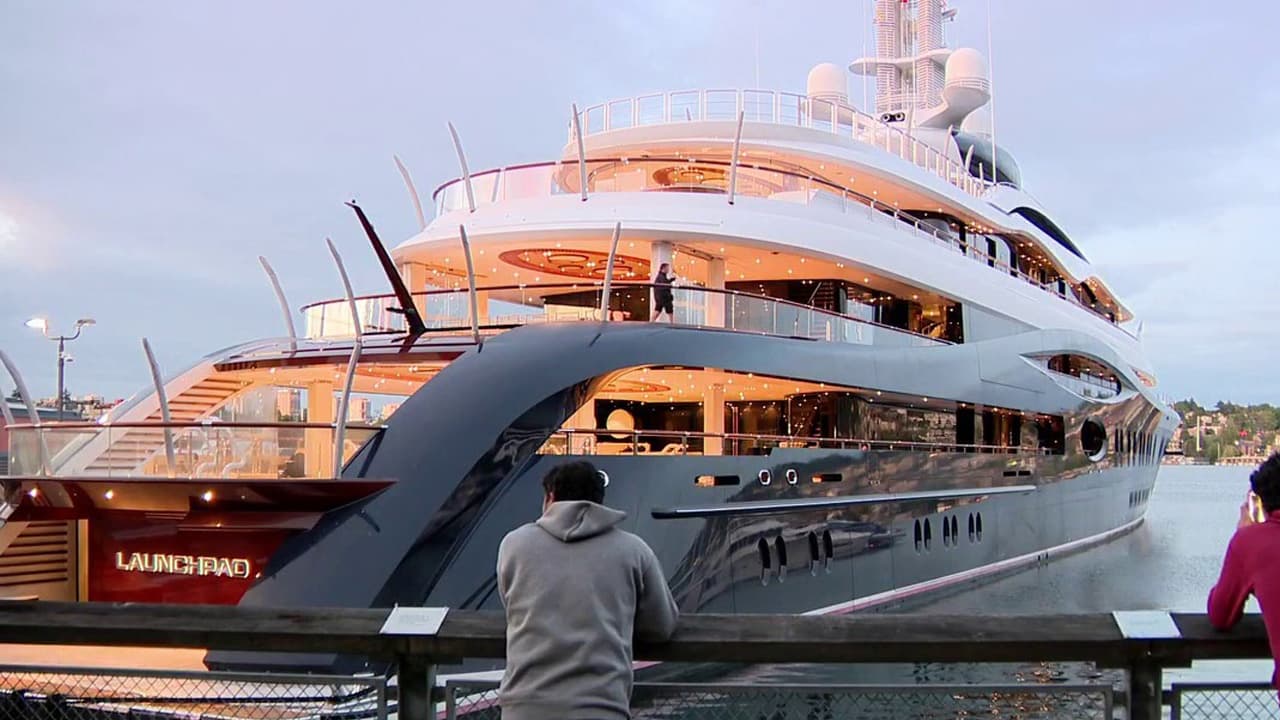
Zuckerberg's Floating Fortress: As Meta Lays Off 1,400, His Yacht Docks in Seattle – Is This the End of an Era?
"While 1,400 Meta employees receive their pink slips, Mark Zuckerberg’s yacht, a symbol of obscene wealth, graces the shores of Seattle’s Lake Union. This stark juxtaposition isn't just optics; it's a symptom of a deeper rot, a strategic pivot gone awry. We delve into the implications of this moment, dissecting the hubris, the missteps, and the potential for a catastrophic fall."
Key Takeaways
- •Meta's strategic pivot to the metaverse has failed, leading to significant financial losses and workforce reductions.
- •The juxtaposition of Zuckerberg's yacht docking in Seattle amidst the layoffs highlights a disconnect between the company's leadership and its employees.
- •The future of Meta and the tech industry is uncertain, with increased regulatory scrutiny, market saturation, and evolving consumer behavior creating headwinds.
The Lede: The Emerald City and the Iron Yacht
The Seattle air, crisp and biting, carried the scent of Puget Sound as dawn broke over Lake Union. A gaggle of early-morning kayakers, their paddles slicing through the glassy surface, were the first to witness it. A leviathan of polished steel and gleaming teak, a yacht that whispered of unimaginable wealth and power, had silently slipped into the harbor. It was, of course, Mark Zuckerberg's latest acquisition, a floating fortress seemingly oblivious to the economic tempest brewing onshore. This wasn’t just a yacht; it was a statement. A monument to unchecked ambition, a symptom of Silicon Valley's gilded age, and a stark reminder of the chasm that separates the tech elite from the workforce they claim to champion. And as the sun climbed higher, casting long shadows across the water, the news broke: Meta was shedding 1,400 jobs. The juxtaposition was too perfect, too poignant to ignore. The irony, bitter and unavoidable, hung in the air like a shroud.
The Context: From Social Savior to Metaverse Mirage
To understand the current predicament, we must rewind. The story of Mark Zuckerberg, once hailed as a revolutionary, a digital demigod, is now a case study in hubris. It began innocently enough. A Harvard dorm room, a fledgling social network, a vision of connecting the world. Facebook, born from a blend of youthful idealism and ruthless ambition, quickly became a global phenomenon. Zuckerberg, a master of data and design, built an empire, a digital colossus that reshaped human interaction. The acquisition of Instagram and WhatsApp solidified his dominance, turning him into a kingmaker, a tastemaker, the undisputed leader of the social media kingdom.
But power corrupts, and the relentless pursuit of growth, of ever-increasing profits, began to warp the original vision. The focus shifted from connection to control, from community to commodification. The Cambridge Analytica scandal, the spread of misinformation, the erosion of privacy – these were not mere glitches; they were inherent flaws in the system, the price of Zuckerberg's unwavering quest for dominance. Then came the metaverse. Convinced that the future of the internet lay in virtual reality, Zuckerberg bet the farm, pouring billions into a speculative venture that has yet to deliver. This wasn't just a business decision; it was a personal obsession. He saw himself as a visionary, a pioneer, forging a new frontier. But the metaverse, at least in its current iteration, is a ghost town, a digital wasteland populated by avatars and unfulfilled promises.
This is where the cracks started to show. The relentless pressure to deliver on the metaverse vision, the slowing growth of Facebook, the increasing scrutiny from regulators – it all culminated in a perfect storm. The layoffs, a brutal cost-cutting measure, were a direct consequence of this strategic miscalculation. They were a necessary evil, a painful admission of defeat, a desperate attempt to salvage a sinking ship. The yacht, in this context, becomes a symbol of the disconnect, a physical manifestation of the gulf between the haves and the have-nots. It's a reminder that while Zuckerberg is insulated by his billions, thousands of his employees are facing an uncertain future.
The Core Analysis: Numbers, Narratives, and Neglect
Let's dissect the numbers. Meta's stock price, once soaring, has been in a prolonged slump. The metaverse division, Reality Labs, continues to hemorrhage money, billions of dollars lost with little return. Ad revenue, the lifeblood of the social media giant, is slowing. The 1,400 layoffs, although seemingly a large number, represent only a fraction of Meta's workforce. However, they are a harbinger of things to come, a sign that the cuts are far from over. These aren't just job cuts; they are a sign of a shift in strategy. Meta is pivoting from its all-in bet on the metaverse, focusing on what still works and trying to cut costs where possible. But can they pivot fast enough?
Consider the psychological toll. These layoffs aren't just about spreadsheets; they're about people. Talented engineers, creative marketers, dedicated employees are now facing the uncertainty of unemployment. Their dreams, their families, their financial security – all are at risk. The culture of Meta, once celebrated for its innovation and ambition, is now tainted by fear and distrust. Employees are looking over their shoulders, wondering if they'll be next. This creates a toxic environment, hindering collaboration and innovation. The talent drain has already begun.
And what of the hidden agendas? The whispers within the tech world suggest that Zuckerberg, in his pursuit of the metaverse, has alienated many of his top executives. There's talk of power struggles, disagreements over strategy, and a general lack of faith in the current direction. The layoffs, in this context, are also about consolidating power, removing those who question the vision. It's a classic case of a CEO doubling down on his own strategy, even when all the signs point to disaster. The yacht, once again, becomes a symbol. It's a place where Zuckerberg can escape the pressures of the real world, a refuge where he can indulge his fantasies, shielded from the consequences of his decisions.
Finally, we must consider the legal and ethical implications. Meta is under constant scrutiny from regulators around the world, facing antitrust lawsuits and investigations into its privacy practices. The layoffs will likely embolden these critics, providing them with more ammunition to attack the company. The narrative of Zuckerberg as a ruthless billionaire, disconnected from the realities of the workforce, will only be reinforced. The fallout from the layoffs will extend far beyond the affected employees. It will impact the entire tech industry, sending a signal that even the most powerful companies are vulnerable, that the era of unlimited growth is over.
The “Macro” View: The Shifting Sands of the Digital Realm
The events unfolding at Meta are symptomatic of a broader shift in the tech landscape. The era of unchecked growth, fueled by cheap money and a relentless focus on user acquisition, is coming to an end. The market is saturated. The regulatory environment is tightening. Consumers are becoming more discerning, more skeptical of the promises of tech giants. This isn't just about Meta; it's about the entire industry. The valuations of tech companies are being reassessed. The focus is shifting from growth to profitability, from the metaverse to real-world applications. The power of social media, once seen as a panacea, is now being questioned. The younger generations are turning away, seeking more authentic experiences. The dominance of Facebook, Google, and Amazon is being challenged.
This is a moment of profound transformation. It's a reckoning. The tech giants, once seen as untouchable, are now facing the consequences of their actions. They are being forced to adapt, to change their business models, to re-evaluate their values. This is creating opportunities for new players, for smaller, more nimble companies that can cater to the evolving needs of consumers. It's also leading to a renewed focus on ethics, on sustainability, on building a more responsible digital future. The layoffs at Meta are a sign of this upheaval, a harbinger of a new era. They are a reminder that even the most powerful companies are subject to the forces of the market, that hubris is a dangerous trait, and that the only constant is change.
The Verdict: A Future Forged in Fire
My prediction? The next year will be a crucible for Meta. Zuckerberg will likely double down on his current strategy. He will try to cut costs, restructure the company, and re-focus on profitability. There will be more layoffs. The metaverse will continue to be a drain on resources. The stock price will remain volatile. Meta will continue to face regulatory challenges and public scrutiny. In five years, Meta will look very different. The metaverse may still be a work in progress. Zuckerberg's control, though, will likely be diminished. The company may have divested its Reality Labs division. It will face even more competition from rising contenders. The social media landscape will be fractured, with a wider variety of players. The regulatory burden will be much heavier. In ten years, Meta will be just another company. It might even be absorbed into a larger conglomerate. The dominance of the tech giants will be gone. The future of tech will be distributed, decentralized, and driven by values beyond just profit.
This moment echoes the late 1990s, when Apple, on the brink of collapse, saw its founder return to right the ship. Zuckerberg, much like Jobs then, now faces a critical juncture. His decisions will shape the future of his company and the industry. The yacht on Lake Union is a symbol of the stakes. It's a reminder that while the elite are insulated, the workers, the everyday people, bear the brunt of the failures. The true test of Zuckerberg will not be in his ability to accumulate wealth but in his ability to navigate this period of turmoil with integrity, compassion, and a clear vision for the future. The question is, can he?
Sources & further reading
Related analysis
- Amazon's Ascent: Navigating the Tides of Triumph – A Veteran's Guide to Playing the Stock
- Silicon Valley's Red Flag: Laura Loomer's Nvidia Assault – Is Jensen Huang's China Connection the Next Tech Scandal?
- Microsoft's Masterstroke: Why Wall Street Is Blind to the True Value of MSFT (And Why That's Their Advantage)
- Data Center Gold Rush: Why Infrastructure Construction Stocks Are the Only Game in Town
- Nomura's Walmart Exit: A Canary in the Coal Mine for Retail's Future?
- Jabil's AI Infrastructure Gamble: A High-Stakes Bet on the Future or a Mirage of Growth?