Zuckerberg's 'Success Isn't a Given': The Reckoning at Meta and the Future of the Metaverse
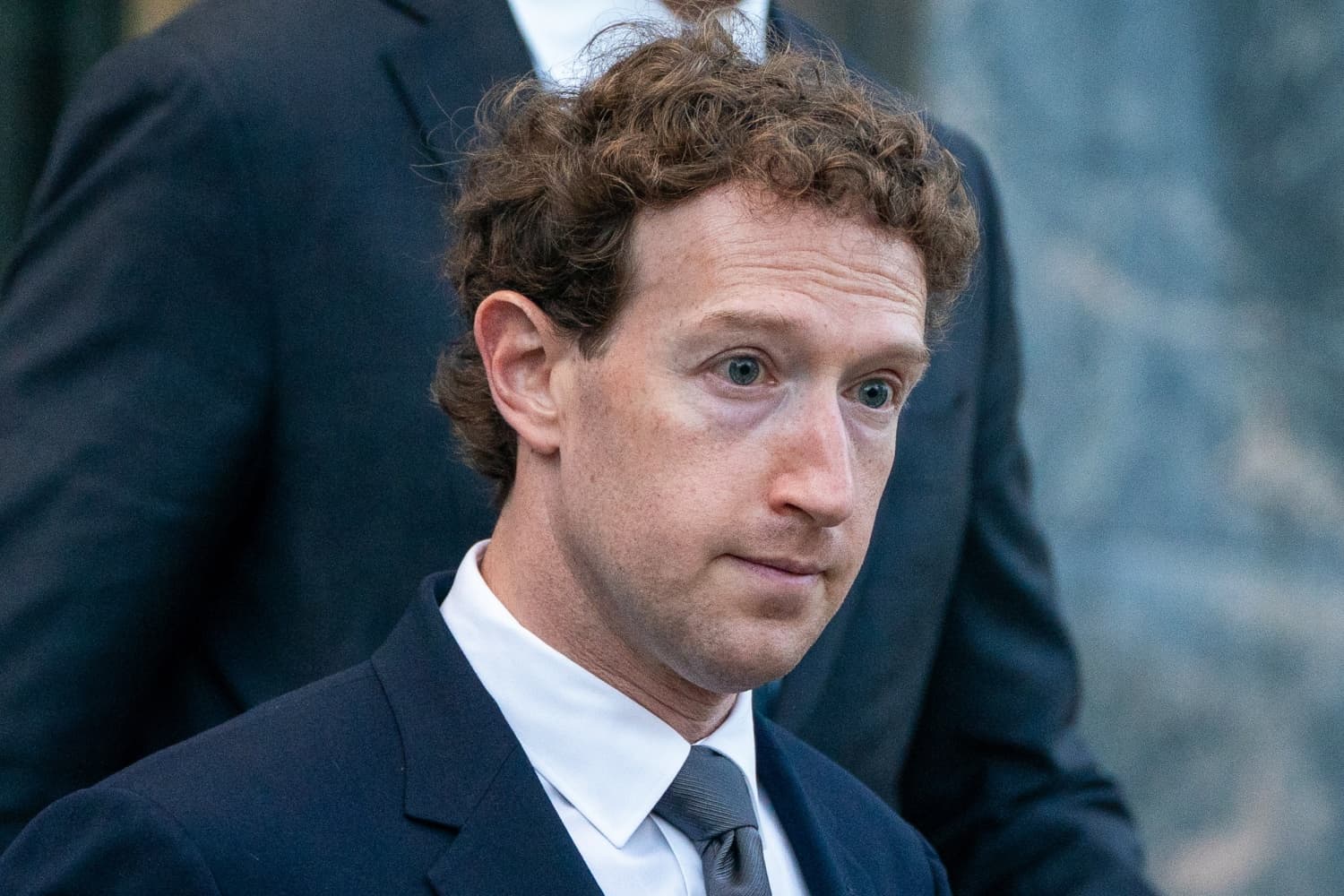
"Mark Zuckerberg, once the golden boy of Silicon Valley, now faces a brutal reality check. The recent layoffs at Meta, representing a staggering 10% of its workforce, are not merely a cost-cutting exercise; they are a strategic pivot born of miscalculations and shifting market dynamics. This feature delves deep into the existential crisis facing Meta, dissecting the bold gambles, the internal battles, and the uncertain future of the metaverse dream."
Key Takeaways
- •The layoffs at Meta are a strategic pivot, not just cost-cutting, driven by miscalculations and market shifts.
- •Zuckerberg's control and long-term vision for the metaverse are being tested, forcing a company-wide recalibration.
- •The impact will be felt industry-wide, ushering in an era of fiscal responsibility and more prudent tech investments.
The Lede: The Ghost in the Machine
The fluorescent lights of the Menlo Park headquarters cast long shadows on the polished floors. It was a scene of controlled chaos, a hive of activity that masked the underlying tension. Outside, the California sun beat down, a cruel contrast to the internal chill that had settled over Meta. Mark Zuckerberg, a man often described as an enigma, was about to deliver a message that would reverberate through the tech world: Success, he warned, is not a given. The announcement, a grim acknowledgment of the economic realities, hung heavy in the air – 10% of the workforce, gone. The digital empire, once built on the relentless pursuit of growth, was retrenching, reassessing, and reckoning with its own hubris.
The layoffs weren't just about spreadsheets and bottom lines. They were a symbolic act, a public flogging of a vision that had, for a time, seemed unstoppable. The metaverse, the grand ambition that had cost billions, was now a question mark. The architects of this digital world, the engineers and dreamers, were suddenly expendable. The air crackled with the unspoken question: Had Zuckerberg bet it all on the wrong horse? Was the future he envisioned – a seamless blend of virtual and physical realities – still within reach? Or was this the beginning of the end for the digital behemoth?
The Context: From Social Savior to Silicon Valley Pariah?
To understand the gravity of this moment, we must rewind. Back to the halcyon days when Facebook was the undisputed king of social media, a global platform connecting billions. Zuckerberg, the boy genius, was hailed as a visionary, a disruptor who had democratized communication. But beneath the surface of the success lay a series of strategic gambles, some brilliant, others disastrous.
The acquisition of Instagram and WhatsApp were masterstrokes, foresight that cemented Facebook's dominance. But with power came responsibility – and scrutiny. The Cambridge Analytica scandal, a watershed moment, exposed the dark underbelly of data privacy and the potential for manipulation. Zuckerberg, once celebrated, became a target of public ire, facing Congressional grilling and a relentless media onslaught. The narrative shifted. The benevolent tech titan was recast as a shadowy figure, wielding immense power with little regard for the consequences.
Then came the pivot. The metaverse. A bold bet, a costly gamble, and a move that has now come under intense fire. The rebranding of Facebook to Meta, the billions poured into virtual reality, the relentless pursuit of this new digital frontier – all fueled by Zuckerberg's unwavering belief that this was the future. But the market, and arguably the public, wasn’t quite ready. The metaverse, for all its potential, felt more like a costly experiment, a science fiction fantasy rather than a tangible reality. The economic headwinds, the rising interest rates, and the evolving consumer landscape combined to create a perfect storm. The stock price plummeted. Investor confidence waned. The layoffs were the inevitable consequence.
This situation echoes the struggles of Apple in the late 90s, when Steve Jobs returned to a company on the brink of collapse. The difference? Zuckerberg doesn't have a clear, immediate 'iPod' moment to rescue him. The metaverse is a far more complex, long-term play, and the path to profitability is uncertain.
The Core Analysis: Numbers, Narratives, and the Bottom Line
The numbers speak volumes. The 10% workforce reduction isn't just a headcount adjustment; it’s a surgical strike aimed at slimming down the company, slashing costs, and refocusing resources. The specifics are telling: engineering and research teams, heavily invested in metaverse projects, were hit hard. This reveals a clear shift in priorities, a recognition that the long-term vision needed to be re-evaluated. The cuts, coupled with a hiring freeze and other austerity measures, are designed to appease investors and demonstrate fiscal discipline.
But the numbers only tell part of the story. The internal power dynamics are equally crucial. The layoffs create winners and losers. Some managers and divisions were spared, a clear indication of Zuckerberg’s favored projects and personnel. The restructuring reflects not only a shift in strategy but also a consolidation of power within the company. This isn't just about saving money; it’s about control.
The losers are the employees who lost their jobs, the shareholders who witnessed their investments shrink, and the dreamers who believed in the unfettered potential of the metaverse. The winners are those who remain, those who have managed to survive the purge, and, of course, Mark Zuckerberg himself. This is a crucial point: Zuckerberg, for all the criticism, remains in control. He still owns a significant portion of the company and his vision, while challenged, is not entirely extinguished.
The hidden agenda? To reshape Meta into a leaner, meaner, more focused entity. To convince Wall Street that he is a ruthless pragmatist, willing to make tough decisions to ensure long-term success. To demonstrate resilience in the face of adversity, and to convince the world that the metaverse, while delayed, is not dead. The layoffs are a message: Meta is not afraid to adapt, to cut its losses, and to chart a new course.
The “Macro” View: The Ripple Effect Across the Industry
The impact of Meta's layoffs will be felt throughout the tech industry. It’s a harbinger of a broader trend: the end of the era of unfettered growth, of unchecked expansion, and of the “move fast and break things” mentality. The tech giants, once perceived as unstoppable forces, are facing a new reality. The economic climate has changed, the regulatory environment is tightening, and investor patience is wearing thin.
The cuts at Meta will likely embolden other tech companies to reassess their own strategies, to examine their own cost structures, and to make their own tough decisions. The hiring frenzy of the past decade is over. The days of lavish perks and unlimited budgets are numbered. The emphasis is shifting from growth at all costs to profitability and sustainability.
This is not just about Meta; it’s about a fundamental shift in the tech ecosystem. The venture capital market is slowing down, making it harder for startups to raise money. The focus is shifting from speculative investments to solid business models. The impact will be felt across the board, from Silicon Valley to the world's most innovative tech hubs. The age of unbridled optimism is fading, replaced by a more pragmatic, realistic outlook.
The shift also impacts the competitive landscape. With Meta shedding resources, opportunities arise for smaller, nimbler companies to gain ground. Competitors in the VR space, like HTC, Sony, and even Microsoft, might see a chance to capitalize on Meta's struggles. The talent pool, once concentrated in Menlo Park, will be dispersed, potentially fueling innovation elsewhere.
The Verdict: Crystal Ball Gazing – What Lies Ahead?
In the short term, expect more pain. More layoffs, more restructuring, and more belt-tightening. Meta’s stock price may experience further volatility as investors digest the implications of this new strategy. Zuckerberg will likely face continued scrutiny from analysts, investors, and the public. He will need to work tirelessly to regain their confidence. He must also navigate a complex web of legal and regulatory challenges, including antitrust investigations and data privacy concerns.
In the 1-year outlook, expect a recalibrated Meta. A leaner, more efficient company, focused on a more pragmatic metaverse strategy. The company will likely double down on its core business – social media – to generate revenue and fund its long-term vision. The metaverse will remain a priority, but the timeline for its realization will be extended. The company’s financial performance will be crucial: demonstrating profitability will be essential to reassure investors.
In the 5-year and 10-year horizon, the picture becomes more complex. The future of Meta hinges on several factors: the success of its metaverse strategy, its ability to navigate the regulatory landscape, its capacity to innovate and adapt, and, most importantly, Mark Zuckerberg’s ability to lead. The metaverse could be a transformative technology, or it could be a costly failure. The winner in this scenario isn't clear, but the stakes are incredibly high.
My prediction? The next decade will be a crucible for Meta. Success is far from guaranteed, but Zuckerberg is not a quitter. He has a track record of resilience. He will adapt, he will evolve, and he will continue to shape the digital world. The question isn't whether Meta will survive. It's how it will survive. It will be a turbulent journey, and the future of Meta is far from written.
Sources & further reading
Related analysis
- Amazon's Ascent: Navigating the Tides of Triumph – A Veteran's Guide to Playing the Stock
- Silicon Valley's Red Flag: Laura Loomer's Nvidia Assault – Is Jensen Huang's China Connection the Next Tech Scandal?
- Microsoft's Masterstroke: Why Wall Street Is Blind to the True Value of MSFT (And Why That's Their Advantage)
- Data Center Gold Rush: Why Infrastructure Construction Stocks Are the Only Game in Town
- Nomura's Walmart Exit: A Canary in the Coal Mine for Retail's Future?
- Jabil's AI Infrastructure Gamble: A High-Stakes Bet on the Future or a Mirage of Growth?